
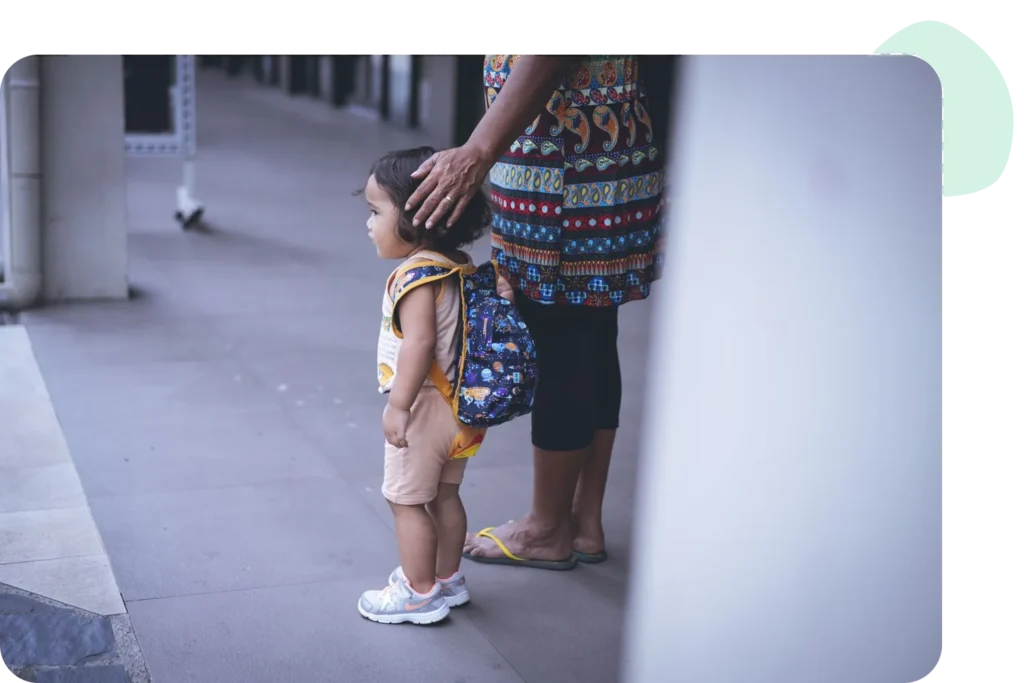
The first day of daycare is usually harder on parents than on kids. That does not make it easy for kids, though. A new place, new faces and a new routine are a lot for a small person. Most of the preparation is simple stuff you can start a few weeks out.
Two to four weeks before
Start talking about it. Keep it short, upbeat and concrete. “Soon you will go to a school with other kids, and there will be toys and snacks, and then I will pick you up.” Repeat it often. Picture books about starting daycare help a lot here.
Visit together. Most centers and home daycares are happy to let you stop by. Let your child explore while you are there. Meet the teacher by name so you can mention them at home.
Shift the routine. If daycare naps at 12:30 and lunch is at 11:30, start nudging your home schedule toward those times. A familiar rhythm makes the new place feel less strange.
Practice short separations. If your child has rarely been away from you, start with a grandparent or babysitter for an hour, then longer. Each time you come back as promised, you build trust.
The week before
Do a practice run. Do the full morning: wake up, get dressed, eat breakfast and drive there at the real time. You will find out how long it actually takes, and your child will get a preview.
Pack together. Let your child help put things in the bag: a water bottle, a change of clothes, a comfort item if the daycare allows it. Label everything. You will be amazed how many identical water bottles end up in one classroom.
Ask the practical questions. What do they serve for snacks and drinks? Do you send milk or do they provide it? What is the nap setup? How do they handle a child who cries at drop-off? Knowing the answers lowers your own anxiety, and kids pick up on that.
The first day and the goodbye
Keep the goodbye short. A long, drawn-out goodbye with several returns to the door makes it harder. Give a hug, say a clear and cheerful “I will pick you up after snack,” and leave.
Never sneak out. It is tempting to slip away while they are distracted, but it tends to backfire. Kids who discover you disappeared without saying goodbye often get more anxious at the next drop-off.
Create a ritual. A special handshake, a kiss on the palm to “hold onto,” or the same two-line goodbye every day gives your child something predictable.
Expect tears, and trust the teachers. Crying at drop-off is very normal. Most children settle within minutes of the parent leaving. Ask the teacher to send a quick update or photo on the first few days if that helps you.
The first few weeks
Some kids sail through week one and then protest in week two once they realize this is the new normal. That is common and usually passes.
Daycare is also tiring. Early bedtimes, extra cuddles and quieter weekends help a lot in the first month.
When you talk about their day, ask specific questions: “Who did you play with?” or “What did you have for snack?” works better than “How was your day?”
Clinginess, some regression in sleep or potty training, and tears at drop-off are typical in the first weeks. Ongoing, intense distress that does not ease over time is worth discussing with your pediatrician. Separation anxiety is a normal developmental stage, but in rare cases it can become more persistent; Wikipedia’s overview of separation anxiety disorder explains the difference.
Quick packing checklist
- Labeled water bottle
- Two full changes of clothes (including socks)
- Diapers and wipes, if needed
- Comfort item for nap, if allowed
- Weather gear: hat, jacket, sunscreen
- Any milk, formula or snacks the daycare asks you to send